Frontier Tech Hub
Testing the production of hydroponic fodder for cattle
Using low-tech innovation to reduce land pressure, improve dairy productivity, and enable herder–farmer cooperation in Nigeria.
The challenge
Across northern Nigeria, climate change is accelerating conflict between nomadic herders and settled farmers. As pastureland shrinks and traditional grazing routes disappear, livelihoods are under threat , and the country’s dairy sector is struggling with poor yields, land disputes, and dry-season feed shortages.
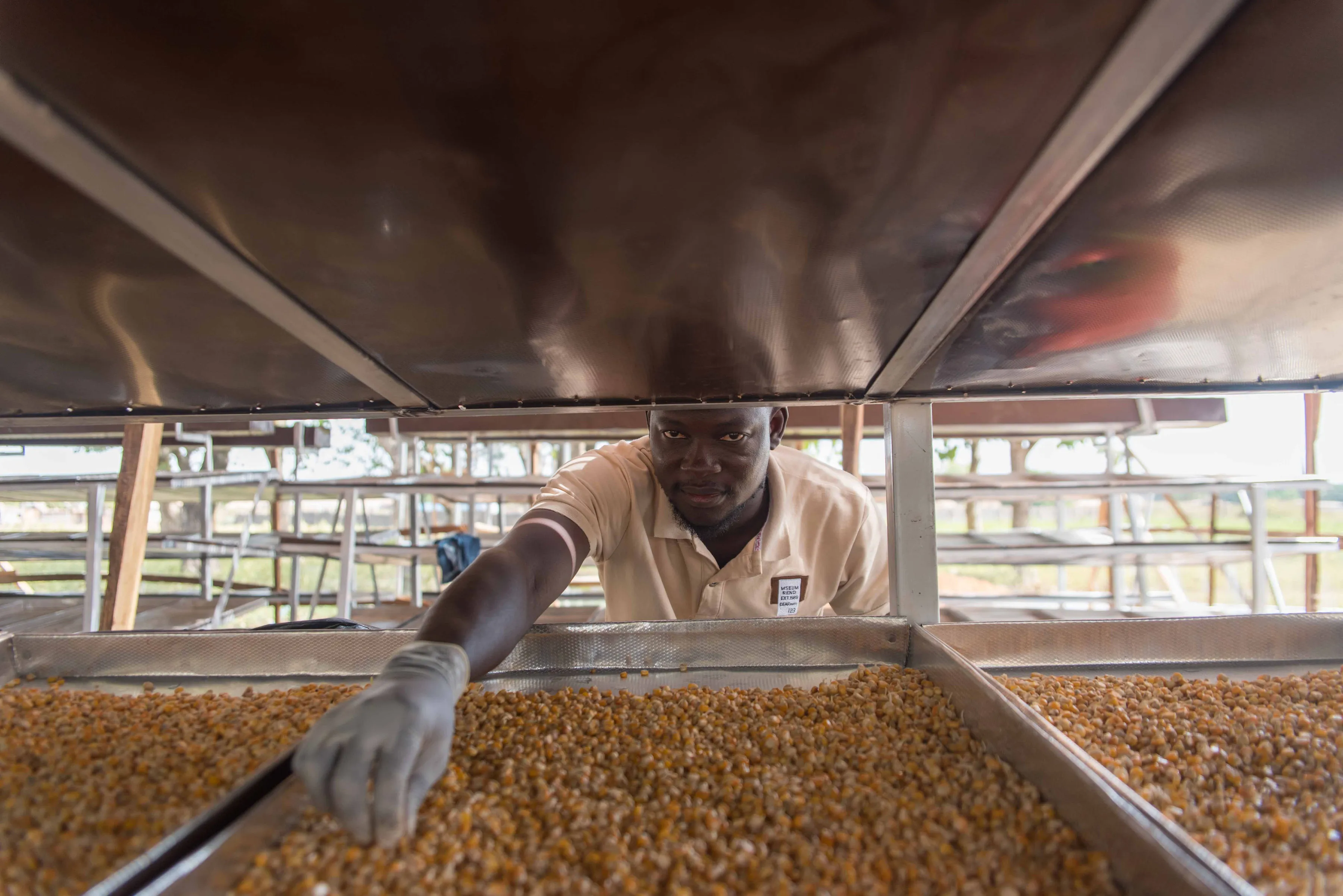
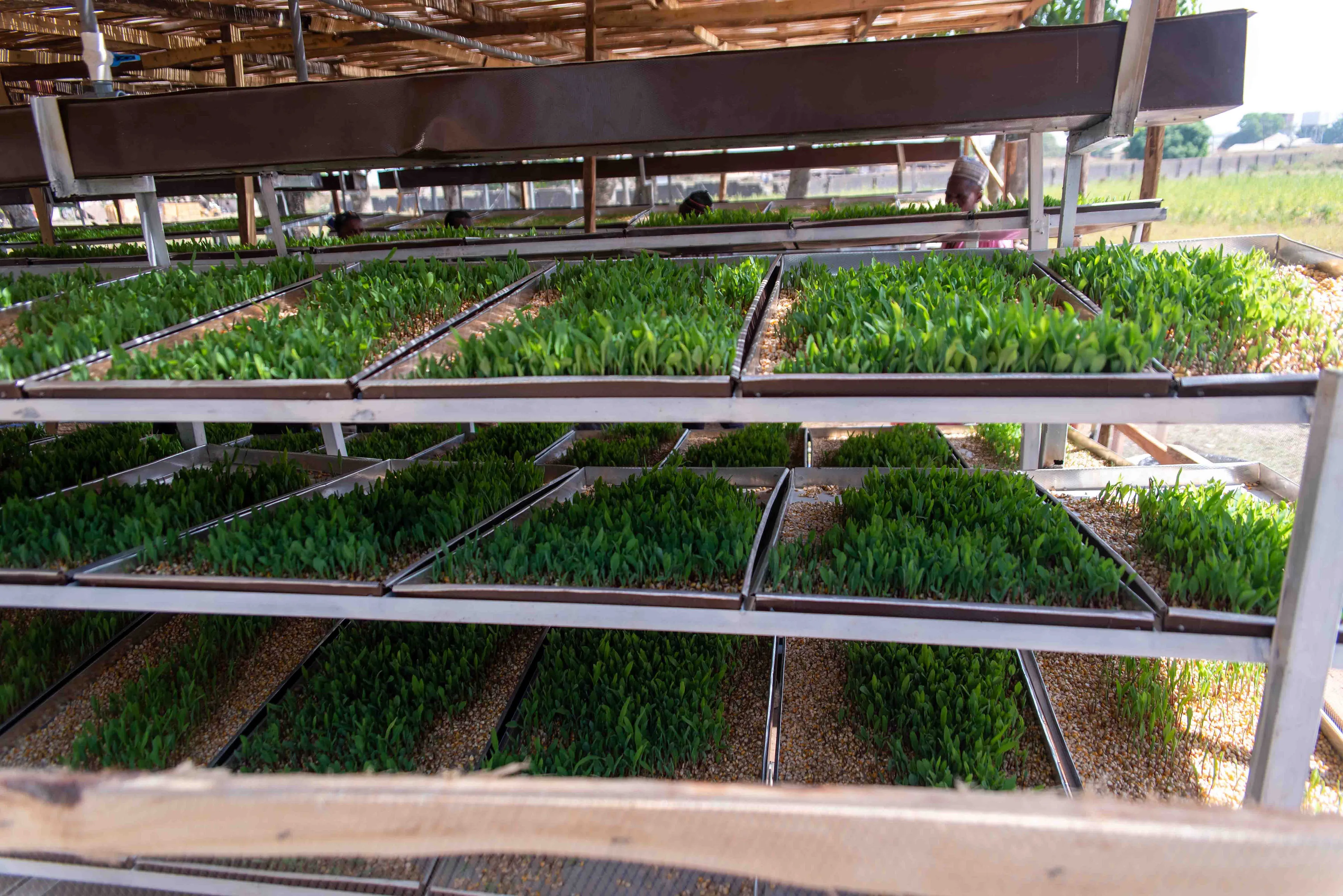
This pilot set out to test whether hydroponic fodder systems , which grow nutrient-rich grass in just 7 days using 80% less water and 98% less land , could offer a viable, community-led alternative. The aim: reduce open grazing, increase milk production, and lay the groundwork for scalable, inclusive, climate-smart cattle systems
What was achieved
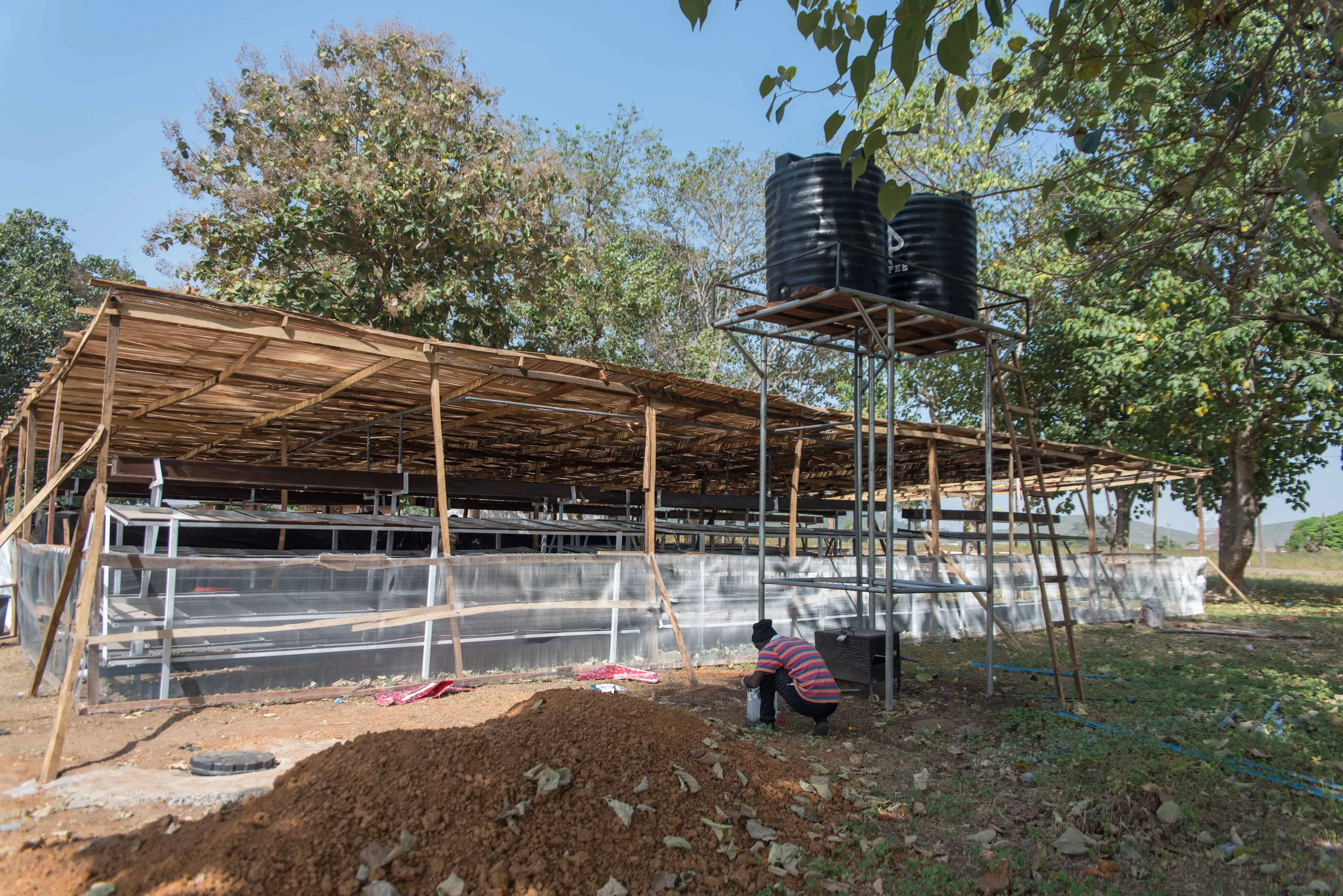
- Technical feasibility proven: The system was successfully constructed and operated in rural Nigeria using mostly local materials, reducing water use by 80% and land use by 98% compared to traditional pasture.
- Demonstrated productivity gains: Hydroponic fodder led to a 400–600% increase in milk production (from 0.7L to 3.5–4.7L per cow/day) and improved fodder digestibility, contributing to a 50% drop in methane emissions.
- Community engagement and co-ownership: Despite initial scepticism, herders and farmers saw value in the system’s potential to reduce conflict and improve livelihoods. Hands-on training and local construction strengthened adoption.
- Climate co-benefits unlocked: Results support future carbon credit potential linked to methane reduction, offering new incentives for climate-aligned livestock practices.
- Business model insights surfaced: While Nigeria’s macroeconomic volatility (seed inflation, fuel subsidy removal, FX devaluation) limited the viability of the original financial model, several

Even the best technology can fail when the human and ecosystem components are not properly considered. It has been very interesting to be an advisor for this project because of its potential for real societal impact through technology.
How we did it
Through the Frontier Tech Hub, Brink supported M.E Solutions and pioneers Ogechukwu Omeribe and Esohe Eigbike to test whether hydroponic fodder systems could offer a viable, climate-adapted solution for rural herding communities. Over a two-year engagement, we helped the team move from technical experiments to community pilots, and from concept to early-stage commercial models - validating the system’s agricultural, environmental, and business potential.
Our work included:
- Participatory design and testing: Developed and iterated multiple system prototypes using locally sourced materials, including roofing alternatives, water-efficient irrigation systems, and seed selection adapted to local diets and climate.
- Pilot deployment and community training: Built and operated hydroponic systems in collaboration with herder communities in Gwagwalada and Adamawa State, training community members and collecting qualitative and quantitative feedback.
- Field trials and impact measurement: Assessed cattle response, milk yields, fodder uptake, and methane emissions. Cows fed on hydroponic fodder produced an average of 3.5L milk/day , a fivefold increase over baseline , and in vitro testing indicated up to 50% reduction in methane emissions.
- Business model design and financial modelling. Worked with dairy companies and banks to co-develop multiple financial models, including outgrower schemes and credit-based models.