ISC Digital Journeys
Strengthening the digital maturity of science organisations
The ISC Digital Journeys project was set up to empower science organisations, particularly those with a presence in low- and middle-income countries, to navigate digital transformation.
The challenge
Science, technology, and innovation (STI) systems are evolving rapidly, but organisations in low-resource settings - especially in low- and middle-income countries - face significant challenges in adopting digital tools like AI and online platforms, as well as developing the necessary ways of working that underpin them. To stay relevant and fully engage in global science systems, these organisations need to urgently accelerate their digital capacity.
What was achieved
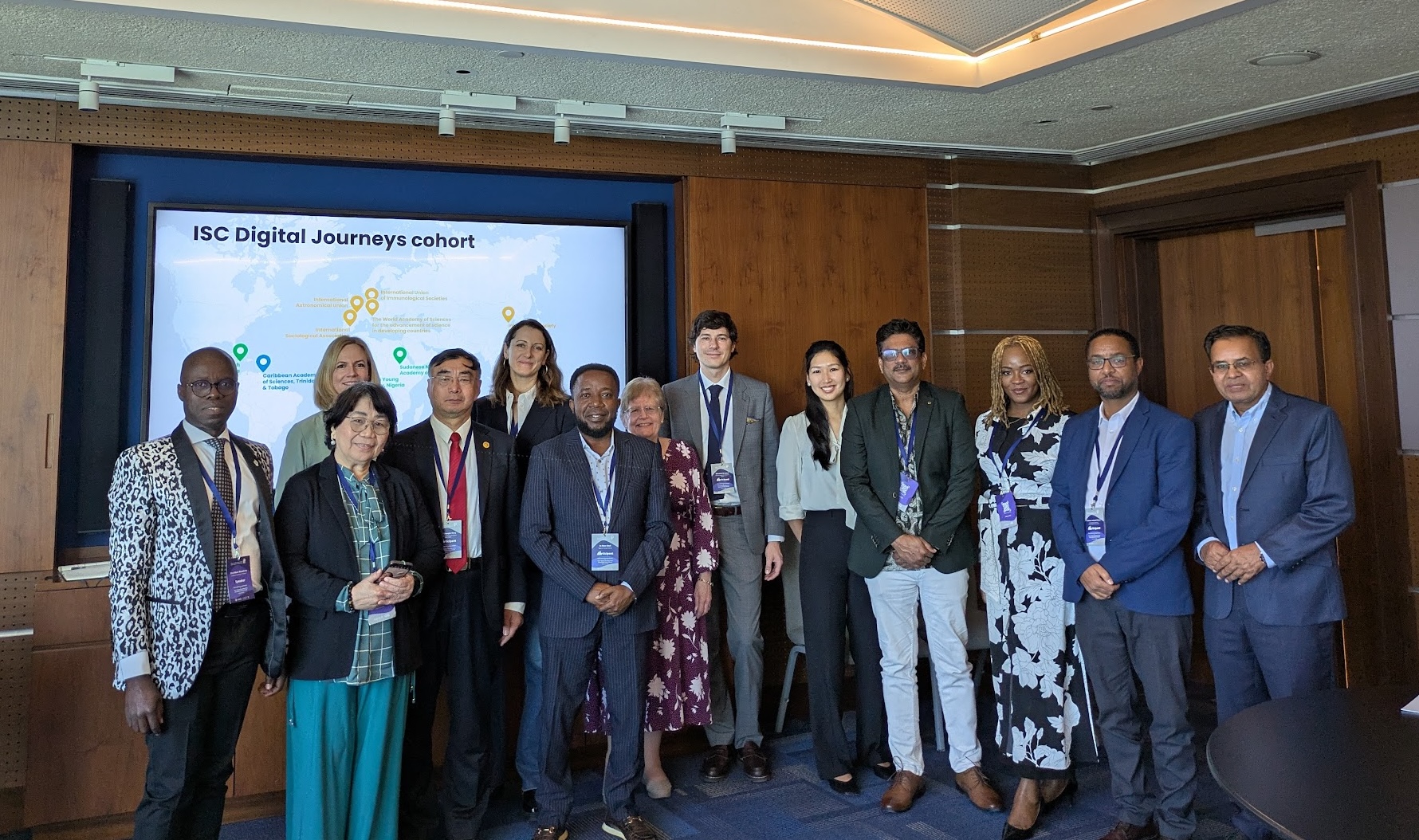
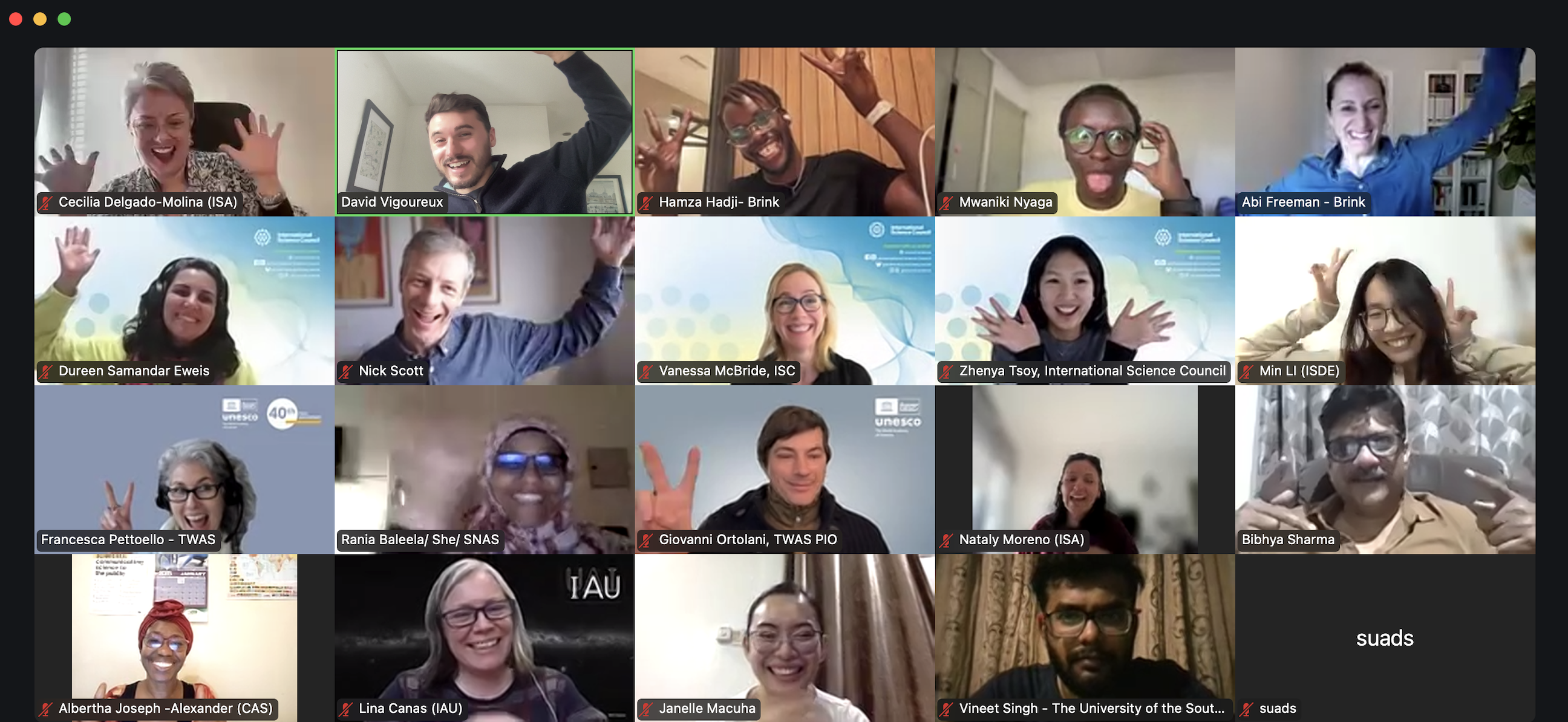
- We selected and supported 11 science organisations, with a focus on the Global South, to assess their digital maturity, adopt new digital tools and implement strategic changes through peer learning and tailored support. We then created an assessment report and toolkit that brought together practical insights and case studies from the cohort.
How we did it
- Built a bespoke Digital Maturity Framework. A framework to help science organisations identify the factors that shape their ability to adopt digital tools and ways of working, made specific to science by distinguishing the organisation's own digital readiness from that of the stakeholders they engage.
- Assessed each organisation and built a tailored action plan. We worked closely with each member to understand their existing ways of working, assessed them across the framework's dimensions, and created an Action Plan for each, highlighting quick wins towards their digital goals.
- Set up a community of practice. We convened interested staff from each organisation, guided them through online learning adapted to their needs, facilitated peer exchange, and provided 1:1 coaching for more tailored guidance.
- Turned learnings into reusable resources. Throughout, we synthesised what we learned into tools and resources that could be used far more widely across the international science community, beyond the immediate cohort.
The story in more detail
Supported by the International Development Research Centre, the International Science Council explored how science organisations could better harness digital potential and navigate transformative change. This was part of a wider suite of work on how emerging technologies could impact science systems.
The project originated from the International Science Council’s (ISC) report, Science Organizations in the Digital Age, which highlighted the need for stronger support to science organisations in embracing digital transformation.
Harnessing digital in science organisations
In low- and middle-income countries (LMICs), persistent barriers like limited infrastructure, underfunding, and underrepresentation in global research networks hinder organisations and their representatives from fully engaging with global opportunities, and risk widening the digital divide. At the same time, while digital tools like AI and online platforms offer significant opportunities to boost participation and collaboration, LMIC organisations must build their digital capacity to harness these opportunities effectively.
The Digital Journeys project was initiated to generate actionable insights on how to support science organisations with a footprint in LMICs and the Global South, and what science organisations can do to improve their digital maturity.
What was achieved
Over the course of six months (January to June 2025), the project delivered several key achievements, working in close partnership with the International Science Council.
- Digital Maturity Framework: We developed an overarching framework grounded in experiences specific to science organisations in the Global South, to help them assess their strengths, identify gaps, and prioritise action.
- Established a Peer Cohort: We selected a group of 11 science organisations from the wider ISC membership, forming a trusted forum to reflect and learn about digital transformation.
- Practical Organisational Change: Project members adopted new digital approaches across digital strategy, public outreach, internal workflows and early experimentation with digital tools.
- Identified System-Level Constraints: The project uncovered key barriers to digital transformation, such as weak data practices and limited leadership alignment. It emphasised that digital maturity requires not just technology, but also changes in culture and governance.
- Public Goods and Resources: Reusable resources, including toolkits and reports, were developed, extending the learning to other organisations.
How it delivered impact
The real impact of this project came from feeding participants’ direct experience and insights directly into outputs, resulting in resources that are genuinely practical and easy to apply. For instance, through direct coaching support, the International Sociological Association (ISA) successfully transformed its approach to digital events. Building on that experience, we created a structured, practical toolkit for planning and delivering inclusive online and hybrid conferences for all science organisations.
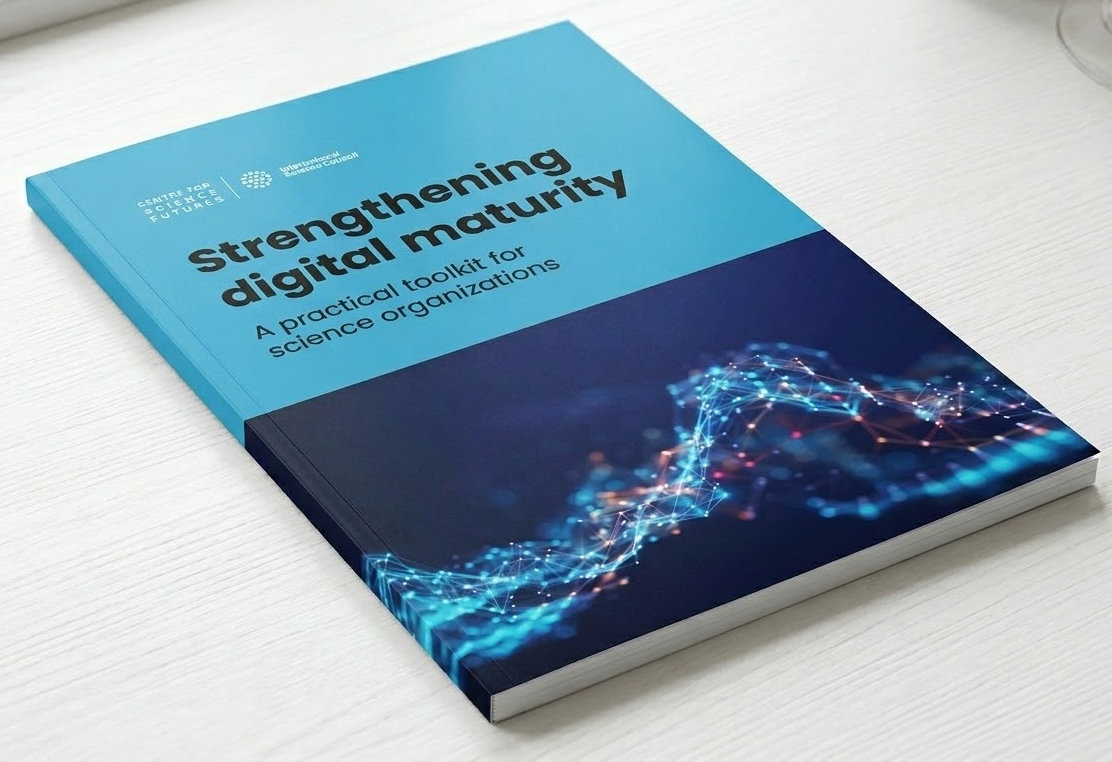
At the end of the project, we launched two flagship resources, a report focusing on reflections on digital maturity in science organisations, and a toolkit for science organisations that brought together all of the tools and guidance shared during the project. For example, we created two flagship resources, a report focusing on reflections on digital maturity in science organisations, and a toolkit for science organisations that brought together all of the resources created as a result of the project.
What we learned
Many science organisations are starting from relatively low digital maturity, a reality that challenges how quickly they can respond to future change. One area where they can build their digital maturity is to develop the skills and ways of working required to view with stakeholders as users of an organisation’s products and services, whether they derive value from them, and how their feedback can be used to improve offerings.
Furthermore, there was often little strategic alignment on how to leverage digital within the organisations we supported Helping organisations to clarify what their digital activity is for and building consensus across the whole organisation on priorities, ownership and next steps is a clear opportunity for impact. Equally, peer exchange at the executive level on vision and strategy is another area where external support can deliver outsized gains.
The urgency of action
The risk of inaction is clear: science organisations, particularly those operating in LMICs, are at risk of being left behind as the global science community evolves. Without prioritising digital transformation, these organisations will continue to face barriers, such as limited infrastructure and underrepresentation, weakening their ability to participate in critical conversations around emerging technologies and responsible AI.
Evidence from the cohort shows that organisations that modernise their approach, through clear leadership and strong digital foundations, are better equipped to remain relevant. And the time to act is now. We must support the transformation of science organisations to bridge the digital divide, strengthen their global presence, and shape the future of science systems.