EdTech Hub
10 scenarios for education in 2035
A six-month foresight process that helped the International Development Research Centre decide where to spend its money on education in the age of AI and conflict, leading into an action-oriented research programme.

The challenge
The International Development Research Centre (IDRC) wanted to understand how artificial intelligence, and conflict and crisis, could affect national education systems in low and middle income countries over the next ten years, and where its money could do the most good.
The challenge was to explore two fast-moving drivers and turn what came out into research questions worth funding.
The foresight work was the first contribution to a three-year partnership between IDRC and EdTech Hub under IDRC’s EmpowerED programme, which aims to strengthen the capacity of governments, and those who support them, to anticipate and respond to disruption in education. Governments in low and middle income countries often lack the practical guidance and capacity to turn evidence into national strategy and policy, so the study was built to inform the research programme that followed.
What was achieved
- The work mapped over 50 signals of change, drew on interviews with 25 experts and ran 4 deep dive workshops over 6 months.
- It produced 10 scenarios for education in 2035, five on AI and five on conflict and crisis, ranked by how likely participants judged them.
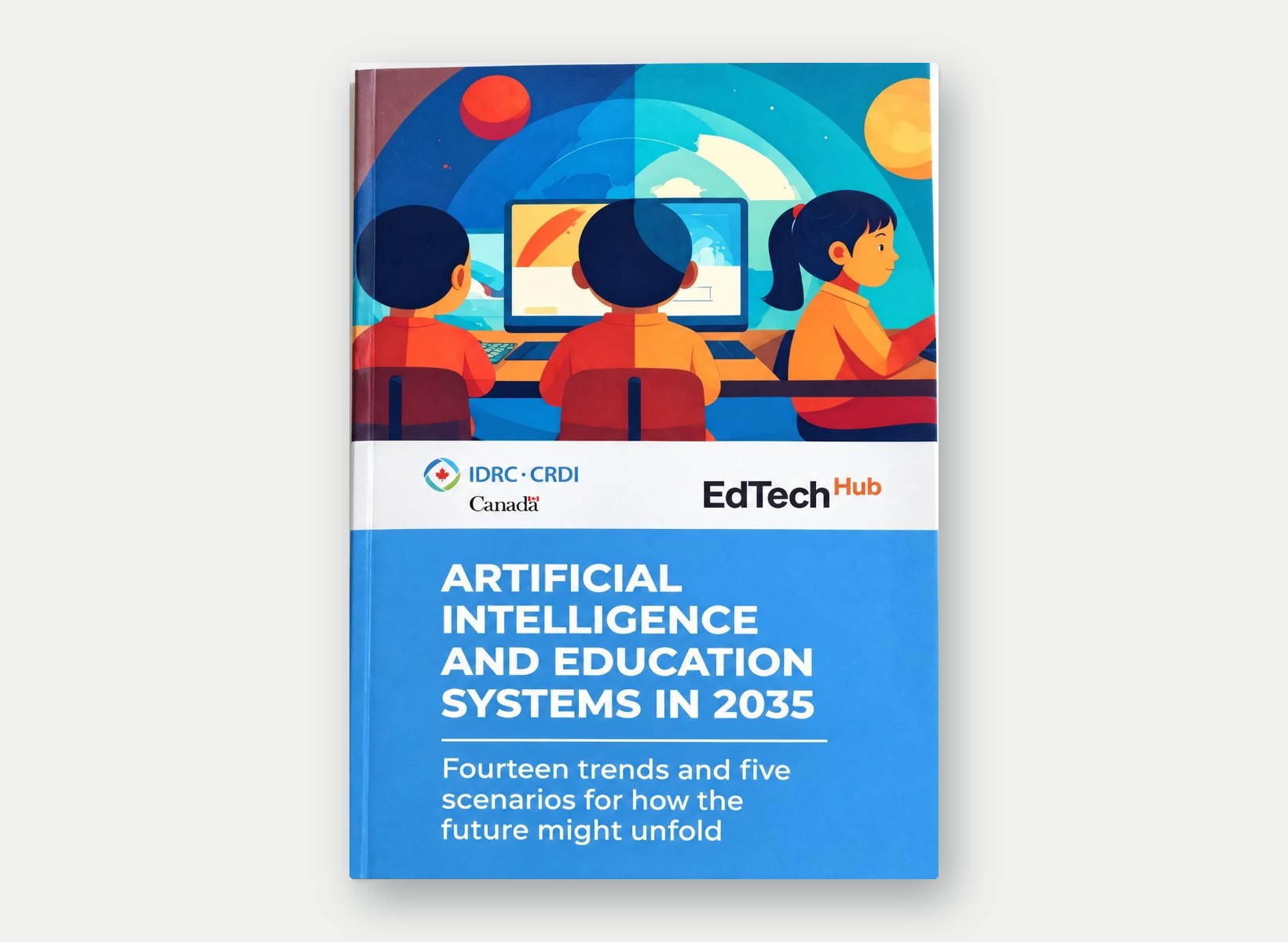
- The findings were published in July 2025 as two reports written by Brink's Asad Rahman and Abi Freeman: Artificial Intelligence and Education Systems in 2035, with 14 trends and 5 scenarios, and Education in Conflict and Crisis in 2035, with 12 trends and 5 scenarios.
- The work is shaping a $1.5M, multi-year research programme that EdTech Hub is starting with IDRC.
- [Feedback from IDRC or EdTech Hub on how the scenarios were used]
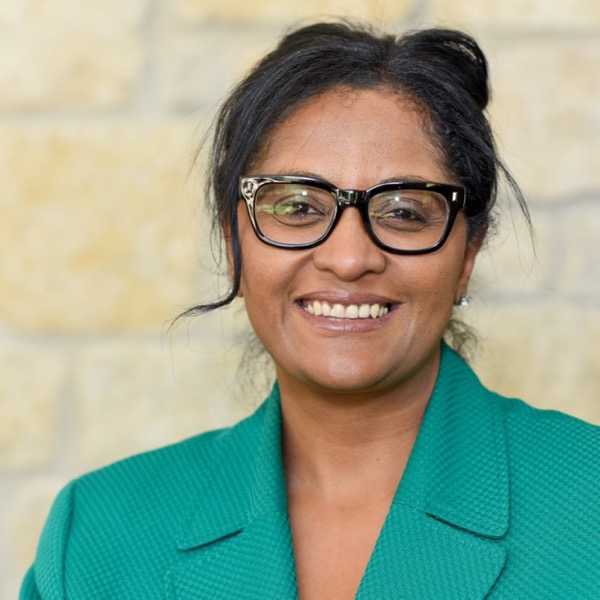
“Together with IDRC, we are excited to make meaningful contributions toward shaping the future of education in an increasingly complex world. As AI, conflicts, and crises reshape the landscape, our collective efforts will support governments, educators, and communities to build resilient education systems that are adaptable, inclusive, and future-ready.”
How we did it
Brink led the foresight work within EdTech Hub's partnership with IDRC's EmpowerED programme. It started from a research question about the next ten years and ended with research questions to investigate.
- We scanned for weak signals of change and reviewed the literature, then interviewed experts and people who deliver education, to find the trends driving change in AI and in conflict and crisis.
- Four two-hour workshops brought together policymakers, EdTech entrepreneurs, researchers and funders to imagine scenarios, stress-test them and rank them by likelihood.
- Participants sorted the scenarios on a cone of plausibility, which separates the probable, the plausible, the possible and the preferred, so the group could see which futures to prepare for and which to build towards.
- We then worked backwards from the scenarios, using backcasting, to the capacities governments and their supporters would need, and turned those into [number] research questions chosen for high impact and high uncertainty.
- A wider group contributed signals and gave feedback on the scenarios and the questions throughout, so the people affected by the work helped shape it.
- The findings were written up in a full report and a findings deck, which fed into the design of the research programme.